Yonopress Explained: What It Is, What Is Unverified, and How to Check It Yourself
Yonopress is a name that shows up mostly in third-party blog posts describing it as a digital publishing platform. In the research behind this guide, no official company page, named owner, or independent review profile could be confirmed. Treat any feature list you read as unverified until you can check it on a source you trust.
Key Takeaways
- Yonopress is described as a digital publishing platform, but no official source could be confirmed.
- No independent reviews, company details or privacy documentation were found.
- Similar names, such as the YONO banking platform in India, are not confirmed to be related.
- A 7-step checklist helps readers verify any new website before sharing details or payment.
- California residents can report problems to the FTC, the California Attorney General and local consumer offices.
🧭 How this guide was researched
The author searched the web for the name Yonopress and its common spelling variants, reviewed keyword data showing what people ask about it, and looked for an official site, company details and independent reviews. Third-party blog posts were treated as claims, not proof. Only information that could be checked against a recognized source is stated as fact. Anything else is labeled unverified. The guide will be updated if reliable new information appears.

- What is Yonopress?
- Why people are searching for it
- Claimed features vs. what can be verified
- Is Yonopress legit? A 7-step checklist
- For Los Angeles and California readers
- What would change this assessment
- Established alternatives
- Tips for testing any new platform
- Sources and references
- FAQ
- Conclusion
What Is Yonopress?
The short answer
Yonopress is described online as a digital publishing and content-sharing platform. The articles that mention it say it helps people write, organize and publish content, and they usually pitch it at bloggers, small businesses and freelance writers.
That sounds reasonable. The catch is that the descriptions are generic. They could fit almost any website builder or blogging tool, and many use hedged wording such as “platforms like Yonopress generally provide…” rather than naming concrete features.
What the web actually shows
A search for the name returns a thin trail. Several lightweight articles repeat the same broad description. Some pages that surface for similar spellings turn out to be about different things entirely, such as industrial presses, comic publishers or unrelated software.
What is largely missing is the stuff that normally proves a platform exists and is operated by real people:
- An official site with a named company and a business address
- Listings on trusted software review sites such as G2 or Capterra
- Press coverage from established outlets
- Documentation, a help center, or a public product roadmap
Important context. This guide separates what is reported from what is confirmed. As of November 6, 2026, the confirmed list is short. That is not proof of wrongdoing. It simply means readers should verify before trusting.
What is not confirmed
- Who owns or operates Yonopress
- Where the company is based
- Pricing, plans or free-trial terms
- How user data is stored and protected
- Whether it serves customers in the United States
Why Are People Searching for Yonopress?
The search patterns tell a story
Keyword data for the term shows a cluster of very specific follow-up searches. People type the name plus words like reviews, login, usa, meaning and platform. Each one reveals a different worry or goal:
- “Yonopress reviews”: the reader wants to know if others trust it.
- “Yonopress login”: the reader already has, or was given, an account link.
- “Yonopress USA”: the reader wants to know whether it operates in the United States.
- “Yonopress meaning”: the reader has seen the word somewhere and cannot place it.
In short, the dominant intent is informational with a trust check. Few people are asking how to use it; most are asking whether it is real.
Why the name causes confusion
Several look-alike names sit nearby in search results, which muddies things further:
| Name | What it is | Related to Yonopress? |
|---|---|---|
| YONO | A digital banking platform in India | No link confirmed |
| Yonoma | A separate software product with a small G2 profile | No link confirmed |
| Yonyx | Decision-tree and scripting software for support teams | No link confirmed |
| Ontpress | Another lightly documented “publishing platform” name | No link confirmed |
A similar spelling is not a relationship. Anyone searching should make sure the page in front of them matches the exact name and domain they were given.
Claimed Features vs. What Can Be Verified
Third-party articles tend to describe Yonopress with the same handful of benefits. Here is how each claim holds up.
| Claim in articles | Evidence found | Status |
|---|---|---|
| Simple editing tools for headings, images and links | Only generic descriptions; no screenshots or demo from an official source | Unverified |
| Helps users publish and organize content | Repeated across blog posts, none citing a product page | Unverified |
| Suitable for beginners, bloggers and freelancers | Marketing-style language, no user testimonials from verified review sites | Unverified |
| Independent user reviews | None found on major review platforms | Not found |
| Secure handling of data | No public privacy or security documentation located | Not found |
Why this matters. Google’s guidance on helpful content stresses first-hand experience and trust. A platform that cannot show either deserves a careful, skeptical reading, no matter how many blog posts mention it.
Is Yonopress Legit? A 7-Step Checklist
There is no honest way to give a yes or no on Yonopress from public information alone. What readers can do is run the same checks professionals use on any unfamiliar site.

- Find the legal entity. Look for a company name, registration details and a physical address in the footer, terms or an “About” page. A site that hides who runs it has already failed the first test.
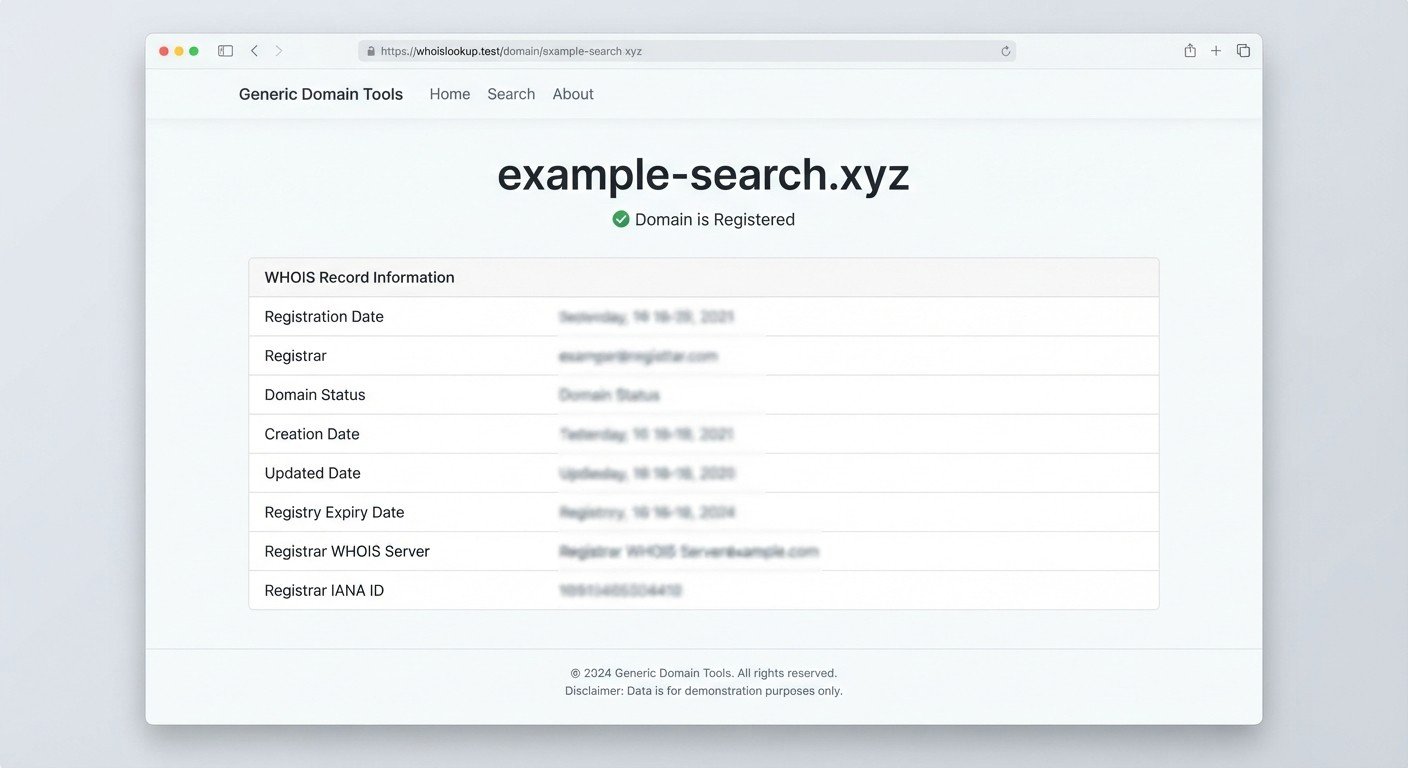
- Look up the domain. A WHOIS lookup shows when the domain was registered. A domain created a few weeks ago that claims years of experience is a red flag.
- Read the terms and privacy policy. They should be specific, not copy-pasted filler. Check how data is collected, shared and deleted.
- Search for independent reviews. Try G2, Capterra, Trustpilot and the Better Business Bureau. Be wary of pages with only glowing, vague praise.
- Test the contact options. Send a simple question to the listed email or form and see whether a real person answers.
- Check payment security. Look for HTTPS and recognizable payment processors. Avoid sites that ask for gift cards, wire transfers or crypto.
- Start with nothing sensitive. Use a throwaway email, a unique password and no payment details until the site earns trust.
Red flags worth stopping for
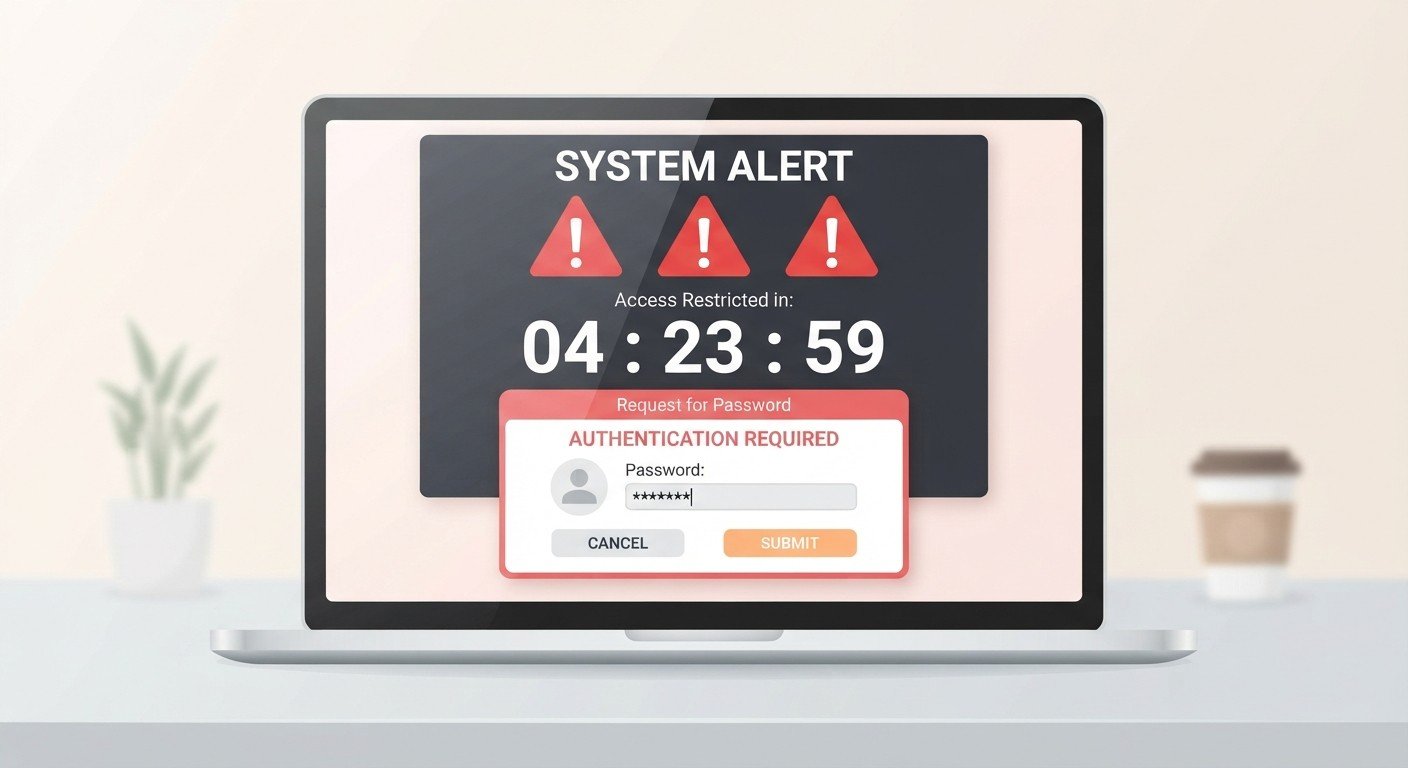
- Pressure to act fast or “limited-time” offers with no real terms
- Requests for passwords, ID documents or banking details at sign-up
- A login page that arrives via an unsolicited message rather than a site you navigated to
- Content that repeats the keyword awkwardly without saying anything specific
Scale of the problem. The U.S. Federal Trade Commission reported in March 2025 that consumers lost more than $12.5 billion to fraud in 2024, a record at the time. Check the FTC’s latest figures at ftc.gov. Cautious vetting is not paranoia; it is routine.
For Los Angeles and California Readers
No verified link between Yonopress and Los Angeles or California was found. Searches that pair the name with “USA” show curiosity, not confirmation of a U.S. presence. Still, readers in the Los Angeles area have some useful local and state protections.

Where to get help
- Los Angeles County Department of Consumer and Business Affairs (DCBA): offers consumer complaint help and guidance for county residents.
- California Attorney General: accepts consumer complaints at oag.ca.gov.
- Federal Trade Commission: report suspicious sites at ReportFraud.ftc.gov.
- Better Business Bureau: check profiles and file reports at bbb.org.
If a payment has already been made
- Call the bank or card issuer and ask to dispute the charge.
- Save screenshots, receipts, emails and the page URL.
- Change any password that was reused on the site.
- Report the site to the FTC and the California Attorney General.

For local businesses and creators
A Los Angeles restaurant owner, event planner or freelance writer looking at a new publishing tool faces the same question: is it worth the risk? A safe rule is to publish first on a platform with a track record, and only experiment with unknown tools using content that is already backed up elsewhere. That way a disappearing site costs nothing.
What Would Change This Assessment?
This guide is based on what could be confirmed on November 6, 2026. It is not a final verdict. Several developments would make Yonopress far easier to recommend, and readers can watch for them.
- An official website with a named operator. A legal company name, a registered address and a working contact page would answer the most basic trust questions.
- Profiles on respected review sites. Verified reviews on G2, Capterra or similar platforms carry more weight than any number of promotional blog posts.
- Public documentation. A help center, feature list and pricing page let readers compare claims against reality.
- Coverage from independent publications. Reporting by an outlet with editors and a corrections policy is a strong signal.
Until at least some of these appear, the sensible position is curiosity without commitment. Readers can bookmark the topic, set a reminder to search again in a few months, and keep using tools they already trust.
How to read articles about unfamiliar names
When several pages describe the same unknown product in nearly identical words, that repetition is not confirmation. It can simply mean the pages copied each other. A quick test helps: pick one claim, such as “simple editing tools,” and try to find it on an official page or in a hands-on review. If the trail ends at another blog post, the claim is still unverified.
Established Publishing Platforms to Consider Instead
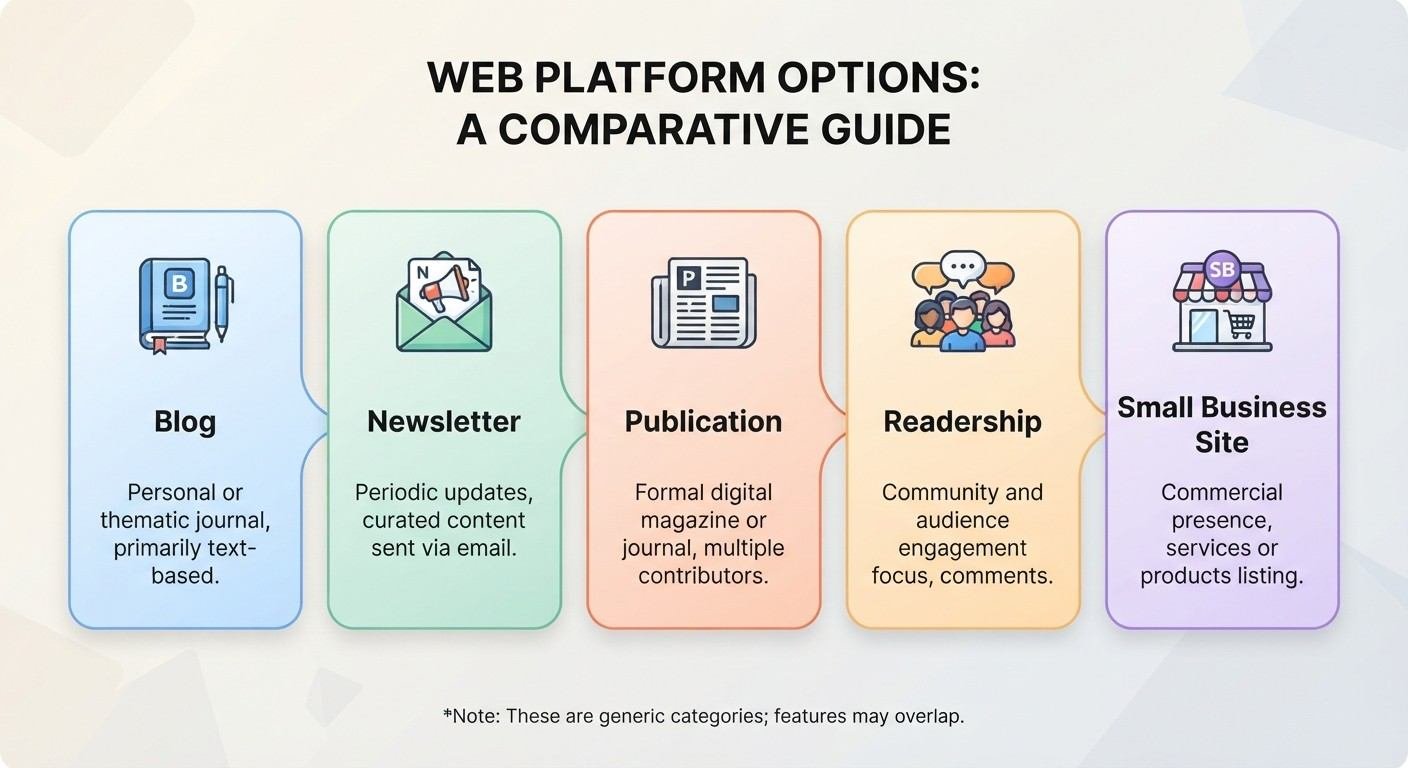
Readers whose real goal is simply to publish online have plenty of proven options. Each of these has a public company, documentation and a large user base.
| Platform | Best for | Good to know |
|---|---|---|
| WordPress.com / WordPress.org | Blogs and full websites | Huge plugin and theme ecosystem; self-hosting gives full control |
| Ghost | Professional publications and newsletters | Clean editor, built-in memberships |
| Substack | Email-first writers | Simple setup, audience built around newsletters |
| Medium | Writers who want a ready-made readership | Less control over branding and domain |
| Wix / Squarespace | Small business sites | Drag-and-drop design, bundled hosting |
Pricing and features change, so confirm details on each provider’s own site before committing.
Practical Tips for Testing Any New Platform
Protect yourself first
- Use a password manager and a unique password for every new service.
- Turn on two-factor authentication whenever it is offered.
- Prefer a dedicated email address for experiments.
Protect your work
- Keep a local copy of everything you publish.
- Confirm you can export your content before you invest time in it.
- Read who owns the content you upload; the terms should say it remains yours.

An illustrative example
Imagine a Los Angeles food blogger who sees a new platform recommended in a few articles. Instead of signing up with her main email and card, she checks for a company address, searches the BBB, and finds no independent reviews. She decides to keep publishing on her existing site and revisit the new tool in six months. She lost nothing, and she kept her options open. This is a hypothetical scenario, but it shows how a few minutes of checking can prevent a costly mistake.
A quick note on SEO and “explained” articles
Many pages about obscure names are written to catch searches rather than to inform. Readers can spot them by a few habits: the keyword repeated in nearly every sentence, no named author, no sources, and conclusions that say nothing new. Content that actually helps tends to cite where its facts came from.
Sources and References
These are the official and reputable sources behind the facts and advice in this guide.
- Federal Trade Commission (FTC): consumer fraud data and guidance. The 2024 loss figure comes from FTC Consumer Sentinel data released in March 2025.
- ReportFraud.ftc.gov: official U.S. portal for reporting suspicious sites and scams.
- California Attorney General: consumer complaint information for California residents.
- Los Angeles County Department of Consumer and Business Affairs: local consumer help.
- Better Business Bureau: business profiles and complaint reports.
- ICANN Lookup: official domain registration lookup.
- Google Search Central: creating helpful, reliable, people-first content
- Wikipedia: YONO: background on the unrelated Indian banking platform.
Frequently Asked Questions About Yonopress
What is Yonopress?
Yonopress is a name described in third-party articles as a digital publishing platform. No official company page or independent review profile could be confirmed in the research for this guide, so its features should be considered unverified.
Is Yonopress legit?
There is not enough public, verifiable information to say. Check for a named company, a physical address, clear terms and privacy policies, independent reviews and secure payment before sharing personal or financial details.
Is Yonopress the same as YONO?
No connection has been confirmed. YONO is a separate and well-known digital banking platform in India. The similar spelling is a common source of confusion.
Is Yonopress available in the USA or Los Angeles?
No verified information about U.S. or California availability was found. Searches for “yonopress usa” show interest, but interest is not proof that the service operates in the United States.
What should I do if I paid a website I now doubt?
Contact your bank or card issuer to dispute the charge, save screenshots and receipts, change reused passwords, and report the site to the FTC and the California Attorney General.
Conclusion
Yonopress is a name with plenty of mentions and very little proof. The articles describing it paint a friendly picture of a digital publishing platform, yet none of them point to an official source, and independent reviews are missing.
That does not make it a scam, and it does not make it safe. It makes it unverified. Readers in Los Angeles, California and anywhere else can protect themselves with the 7-step checklist above: confirm who runs the site, read the terms, look for independent reviews, and share nothing sensitive until trust is earned.
If the real goal is to publish content online, established platforms offer a safer path today. And if new, verifiable information about Yonopress appears, this guide can be updated to reflect it.
Curious about trust and labels in a different area? See how verification works in food, for example in what is kosher food.

About the Author: Shahadat Ali
Shahadat Ali is an SEO Expert, SEO Strategist, and Content Writing Strategist specializing in search engine optimization, keyword research, content strategy, on-page SEO, and website growth. He focuses on creating high-quality, search-intent-driven content that helps websites improve their search visibility, attract organic traffic, and build long-term online authority. His approach combines strategic keyword targeting, engaging content creation, and data-driven SEO techniques to achieve sustainable search engine growth.
🔗 Connect with Shahadat Ali on LinkedIn
Editorial standards: Claims are checked against official or reputable sources, opinions are labeled, and the article is updated when new facts appear. Spotted an error? Please send a correction through halalfoodnearme.online and it will be reviewed promptly.
Last reviewed: November 6, 2026
Disclaimer: This article is for general information only and is not legal, financial or professional advice. Yonopress is discussed based on publicly available information at the time of writing. No claim is made that it is or is not a legitimate business. Readers should do their own checks and contact the relevant authorities if they believe they have been defrauded.