Pulled Pork Calories: Nutrition Facts, Macros & Smart Ways to Enjoy It
Plain pulled pork has about 220–280 calories per 3 oz. The sauce, bun and sides are what change the number most.
How Many Calories Are in Pulled Pork?
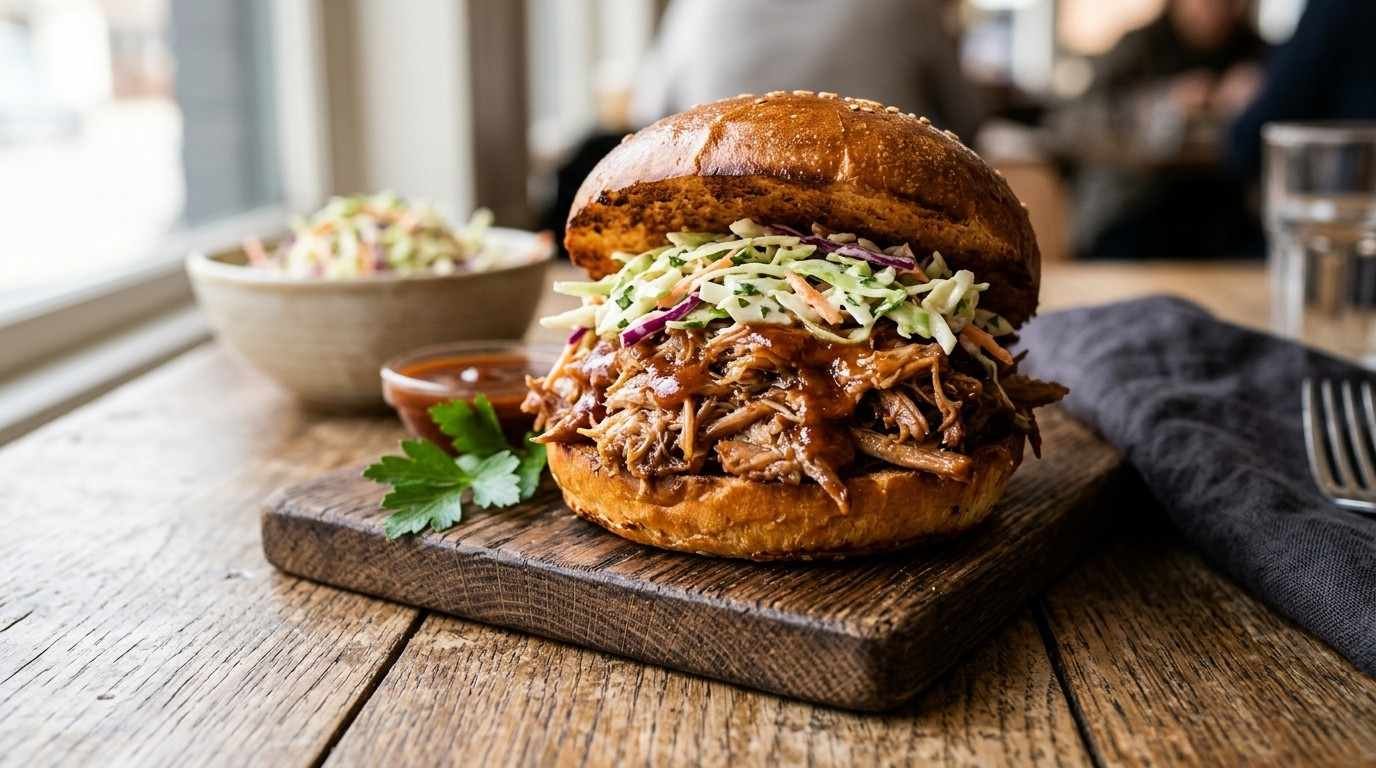
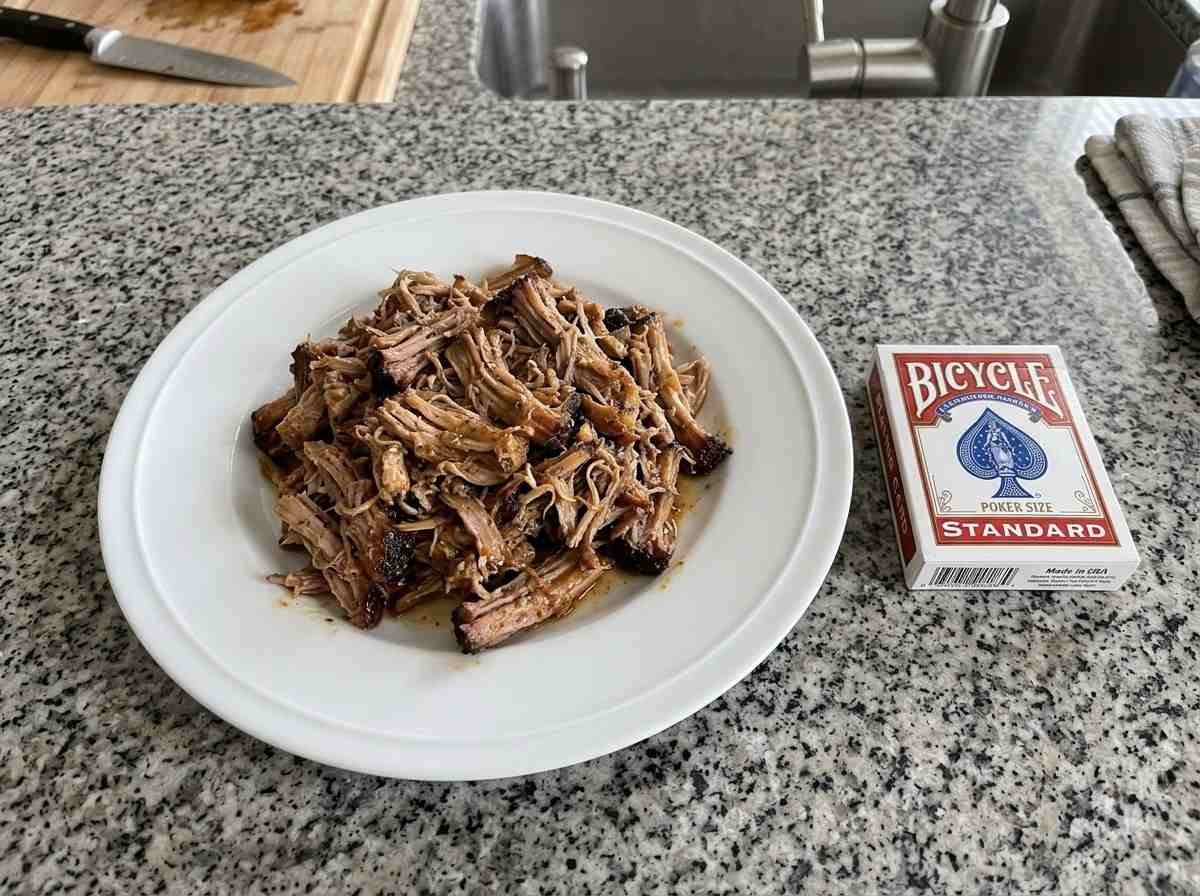
Short answer: Plain cooked pulled pork contains roughly 220–280 calories per 3 oz (85 g), or about 260–330 calories per 100 g. A loose cup of shredded meat (about 4–5 oz) lands near 300–380 calories. Add barbecue sauce, a bun and coleslaw, and a sandwich typically reaches 400–600 calories, and often more at restaurants.
Those ranges are wide for a reason. Pulled pork is almost always made from pork shoulder (also called pork butt), a well-marbled cut. How much fat gets trimmed, and how much stays in the shreds, shifts the calories more than any other factor.
For reference values, USDA FoodData Central lists cooked pork shoulder entries that fit this range. Individual recipes, restaurants and packaged products will differ.
Pulled Pork Nutrition Facts
The table below shows approximate values for plain, cooked, shredded pork with no sauce. Treat it as a starting point rather than an exact label.
| Serving | Calories | Protein | Fat | Carbs |
|---|---|---|---|---|
| 3 oz (85 g) | 220–280 | 20–25 g | 12–18 g | 0 g |
| 4 oz (113 g) | 290–370 | 27–33 g | 16–24 g | 0 g |
| 1 cup shredded (~140 g) | 360–460 | 33–40 g | 20–30 g | 0 g |
| 100 g | 260–330 | 24–29 g | 14–22 g | 0 g |
Pulled pork nutrition is simple at its core: protein and fat, with almost no carbohydrate. It also supplies B vitamins (especially thiamin, B6 and B12), selenium, zinc and phosphorus.
Why Pulled Pork Calories Vary So Much
The cut and the trim
Pork shoulder is naturally fatty. A well-trimmed, lean-leaning portion can sit near 200 calories per 3 oz, while a fattier portion with plenty of rendered bits can top 300.
Cooking loss
Shoulder loses roughly 25–30% of its weight as it cooks. A 3 lb raw roast yields about 2 lb of pulled meat. Because calories concentrate as water leaves, 4 oz of cooked pork has more calories than 4 oz raw.
Sauce, rubs and mop
Dry rubs add few calories. Sweet barbecue sauce is different: two tablespoons add around 50–80 calories and 10–16 g of sugar. Soaking the meat in sauce can easily add 100+ calories per serving.
Brand and restaurant prep
Packaged and restaurant pulled pork is often pre-mixed with sauce, oil or broth. Pulled pork calories per ounce can run 20–40% higher than plain meat, and sodium is usually far higher.
Common variations compared
| Style (3 oz) | Approx. calories | What changes |
|---|---|---|
| Plain, no sauce | 220–280 | Baseline |
| Smoked, dry rub | 230–290 | Minimal change |
| Tossed in BBQ sauce | 290–360 | Sugar from sauce |
| Brand-name sauced (e.g., whiskey-style) | 300–380 | Sugar, oil, sodium |
| Lean-trimmed, slow-cooker | 190–240 | Less fat |
Pulled Pork Sandwich Calories
This is where most people’s estimates go wrong. The meat is only part of the story.
| Component | Calories |
|---|---|
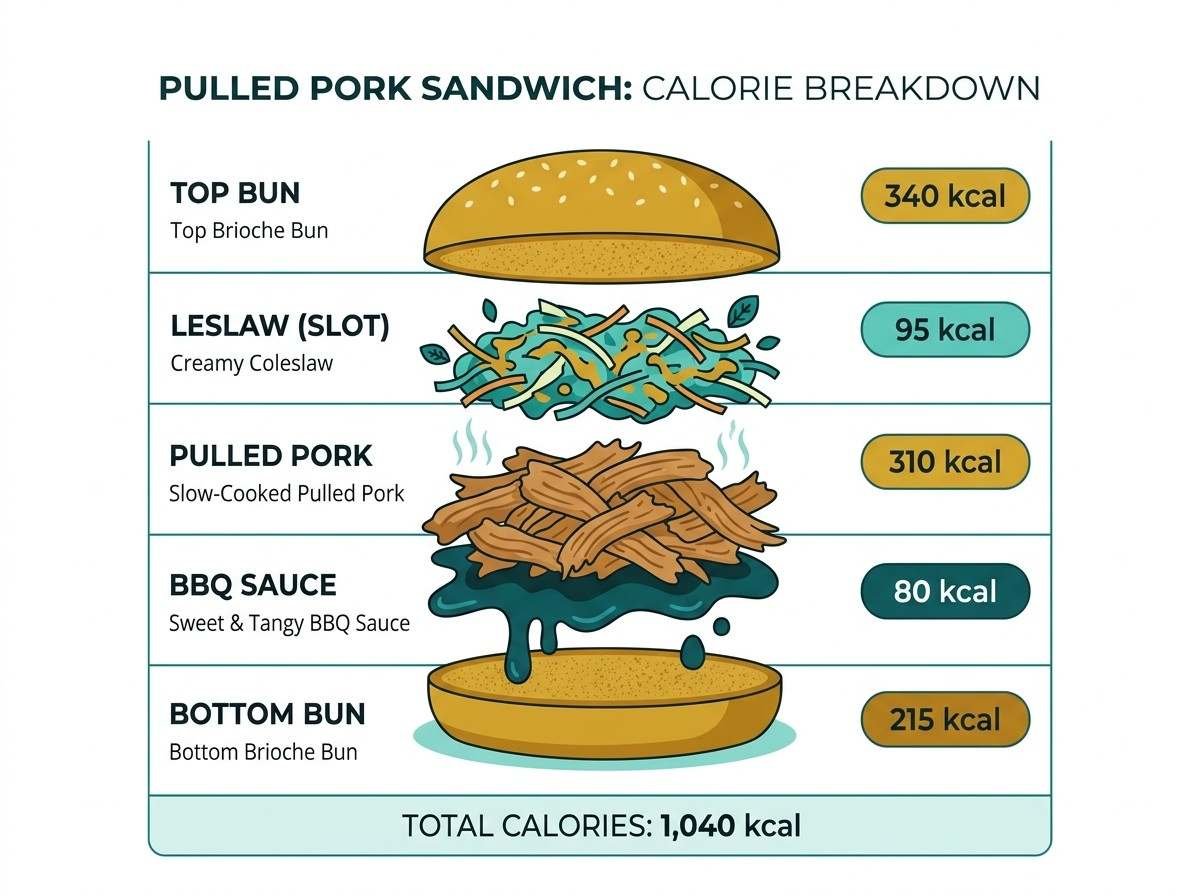
| Pulled pork, 4 oz | 290–370 |
| Standard bun | 120–160 |
| Brioche or large bakery bun | 180–260 |
| BBQ sauce, 2 tbsp | 50–80 |
| Creamy coleslaw, ½ cup | 120–170 |
| Pickles | <5 |
Homemade: roughly 450–600 calories. Restaurant: commonly 650–900 calories before fries, mac and cheese or baked beans, which can push a combo plate past 1,200.
Pulled Pork Protein and Macros
Pulled pork is a strong protein source. A 3 oz serving provides around 20–25 g, so a 4 oz portion gives roughly 27–33 g. That answers how much protein is in pulled pork: enough to cover about half of a typical daily protein target for many adults in a single meal.
Typical macro split (plain meat)
- Protein: about 40–45% of calories
- Fat: about 55–60% of calories
- Carbs: close to 0%, until sauce and buns arrive
That makes the plain meat a good fit for low-carb and keto eating. Once sauce is added, count the carbohydrates: 2 tablespoons of typical BBQ sauce add roughly 12–16 g.
Other nutrients
- Thiamin (B1): pork is among the richest common sources
- Vitamin B12 and B6: support energy metabolism and nerve function
- Zinc and selenium: support immune function
- Sodium: low in plain meat (roughly 60–90 mg per 3 oz), but often 400–900 mg per serving once sauced
Is Pulled Pork Healthy? Is It Bad for You?
Pulled pork is neither a superfood nor a villain. Its health impact depends on portion, preparation and how often it appears on the plate.
What works in its favor
- High-quality complete protein that keeps you full
- Minimal carbs in the plain meat
- Rich in B vitamins and minerals
- Easy to batch-cook and portion
What to watch
- Saturated fat: the U.S. Dietary Guidelines advise keeping saturated fat under 10% of daily calories. Fatty shoulder can use a good share of that in one serving.
- Added sugar and sodium: mostly from sauces, rubs and commercial mixes.
- Red meat intake: the World Health Organization’s cancer agency classifies unprocessed red meat as “probably carcinogenic” (Group 2A) with limited evidence, and many health bodies suggest moderating red meat overall.
- Smoking and charring: heavily charred meat produces compounds researchers want people to limit.
How to Lower Pulled Pork Calories Without Losing Flavor
- Trim visible fat before cooking and skim the pot juices before shredding.
- Season dry. Paprika, garlic, onion, mustard powder and black pepper add depth for almost no calories.
- Sauce on the side. Most people use less when it is not mixed into the meat.
- Use a vinegar-based sauce. Carolina-style vinegar sauces have far less sugar than thick tomato-molasses sauces.
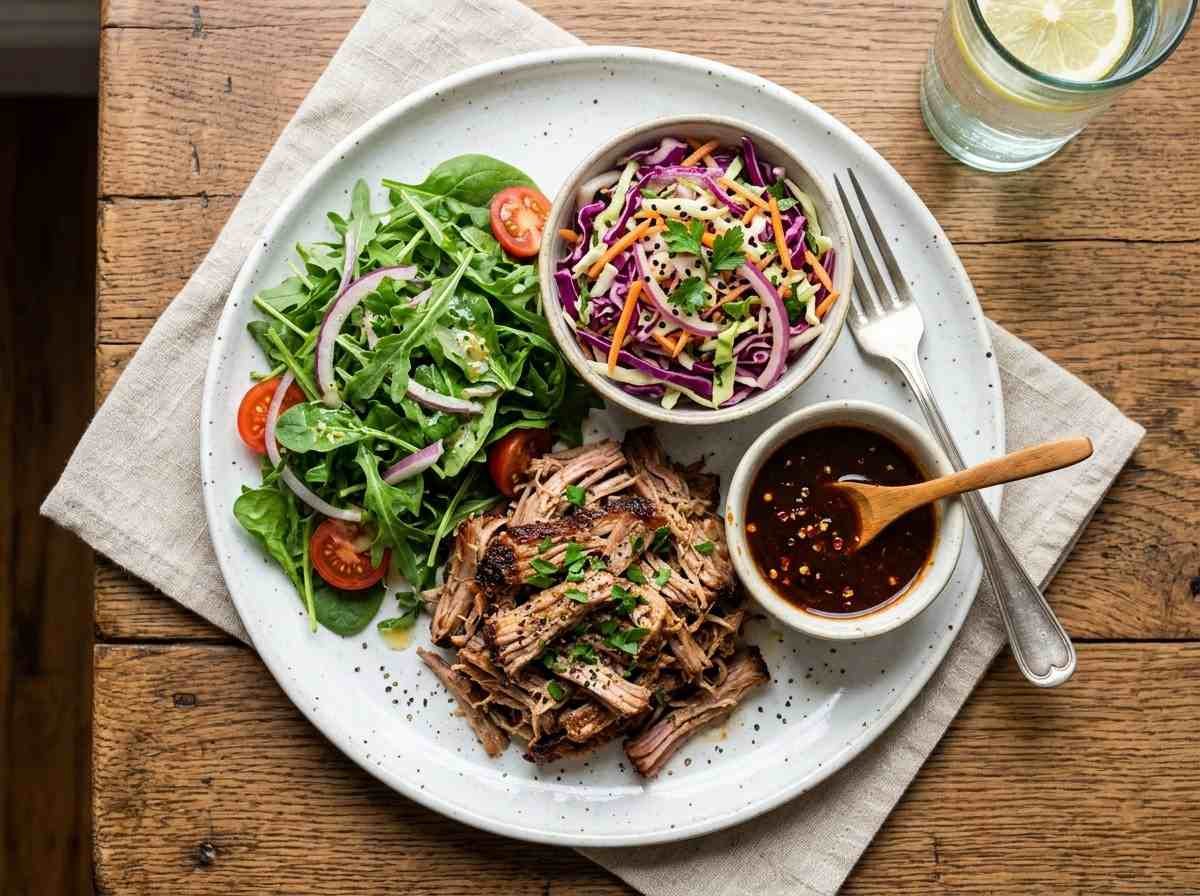
- Swap the slaw. Vinegar slaw or shredded cabbage with lime cuts roughly 60–100 calories versus a creamy version.
- Rethink the bun. A smaller bun, lettuce wraps or a baked potato lowers the load.
- Serve over greens or vegetables and keep the meat portion near 3–4 oz.
- Chill and skim. Refrigerating leftover cooking liquid lets the fat rise and set so it can be lifted off.
How to Track Pulled Pork Calories Accurately
Food-tracking apps list wildly different pulled pork entries, so pick one method and stay consistent.
- Weigh it cooked. Use a kitchen scale and match to a cooked pork shoulder entry.
- Log sauce separately. Measure it in tablespoons.
- Calculate the batch. Add calories for the raw roast, sauce and any oil, then divide by the cooked weight to get calories per ounce.
- Prefer verified entries. USDA-based entries tend to be more reliable than user-submitted ones.
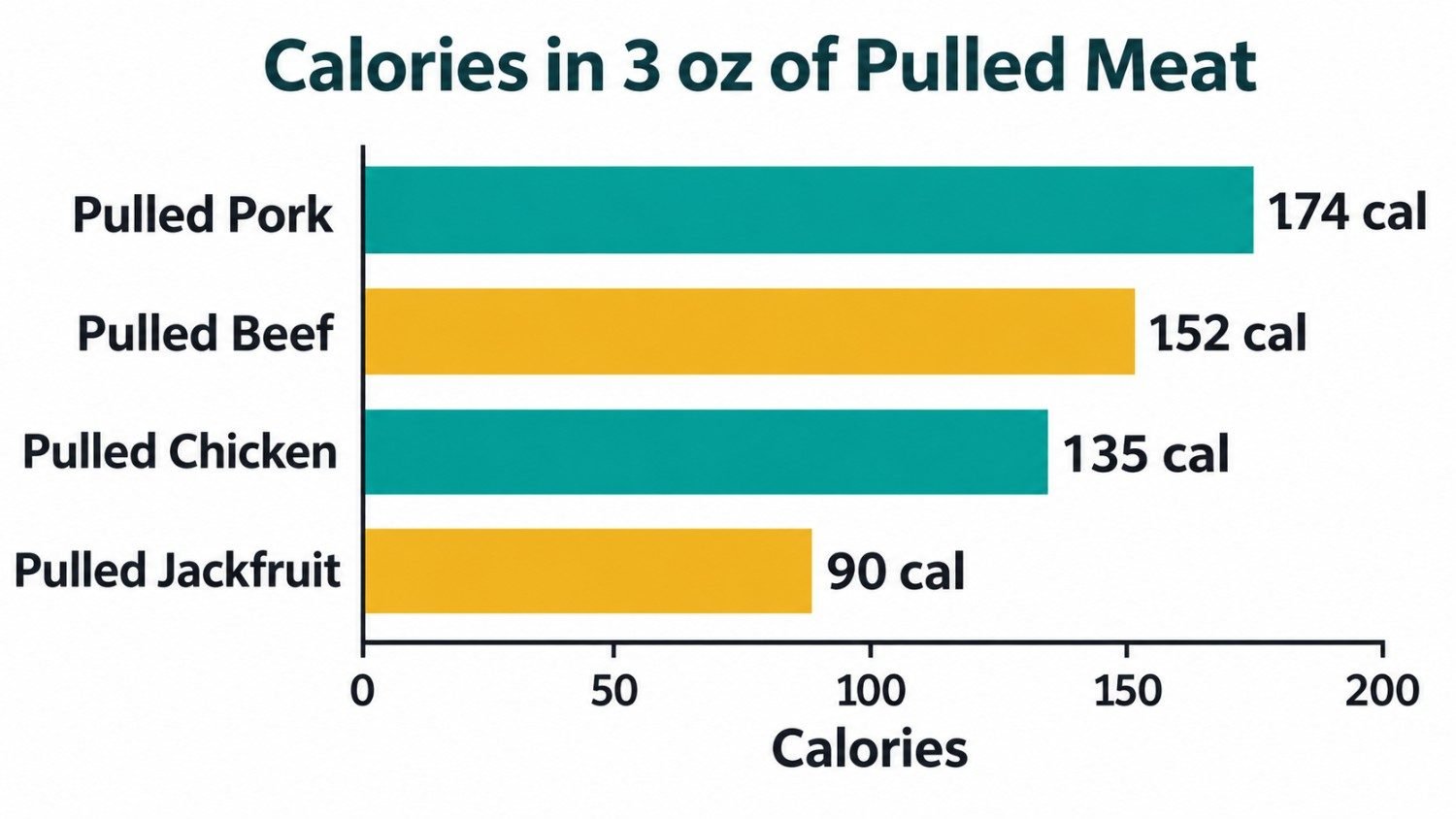
Pulled pork vs. other pulled meats (3 oz, plain, approx.)
| Meat | Calories | Protein |
|---|---|---|
| Pulled pork (shoulder) | 220–280 | 20–25 g |
| Pulled beef (chuck) | 230–260 | 22–26 g |
| Pulled chicken (breast) | 130–150 | 25–28 g |
| Pulled jackfruit (sauced) | 60–110 | 1–2 g |
Pulled Pork, Halal and Kosher Diets
Pork is prohibited in both halal and kosher dietary laws, so pulled pork is not an option for people following either. If you want to learn more, see what kosher food is, whether kosher food is halal, and whether halal food is kosher.
The same slow-cooked, shreddable style works with other meats and plants. Pulled chicken, beef or lamb (prepared to the relevant standard) and pulled jackfruit or mushrooms are popular choices. For plant-based options, check whether vegetarian food is halal. Curious about how dietary rules relate to nutrition? Read is kosher food healthier and is all kosher food halal. Browse more at Halal Food Near Me.
Pulled Pork Calories FAQ
How many calories are in pulled pork?
About 220–280 calories per 3 oz of plain cooked pulled pork. Sauce, buns and sides can double the total.
How much protein is in pulled pork?
Around 20–25 g per 3 oz and 27–33 g per 4 oz, making it a high-protein food.
Is pulled pork healthy?
In moderate portions with light sauce, it fits a balanced diet. Large portions with sugary sauce, high sodium and fried sides are less ideal.
How many calories are in a pulled pork sandwich?
Homemade versions run about 450–600 calories. Restaurant sandwiches often reach 650–900 before sides.
Is pulled pork halal or kosher?
No. Pork is not permitted in halal or kosher diets.
Conclusion
Pulled pork calories depend less on the meat itself than on what surrounds it. Plain pulled pork sits around 220–280 calories and about 20–25 g of protein per 3 oz. A bun, sweet sauce and creamy slaw can push one sandwich to 500–900 calories.
Weigh the cooked meat, measure the sauce, trim the fat and choose lighter sides. That way the nutrition facts work for you, not against you. For the most exact numbers, check USDA FoodData Central or the label on your product.