Halal Chinese Food: What to Order, What to Avoid & How to Find It
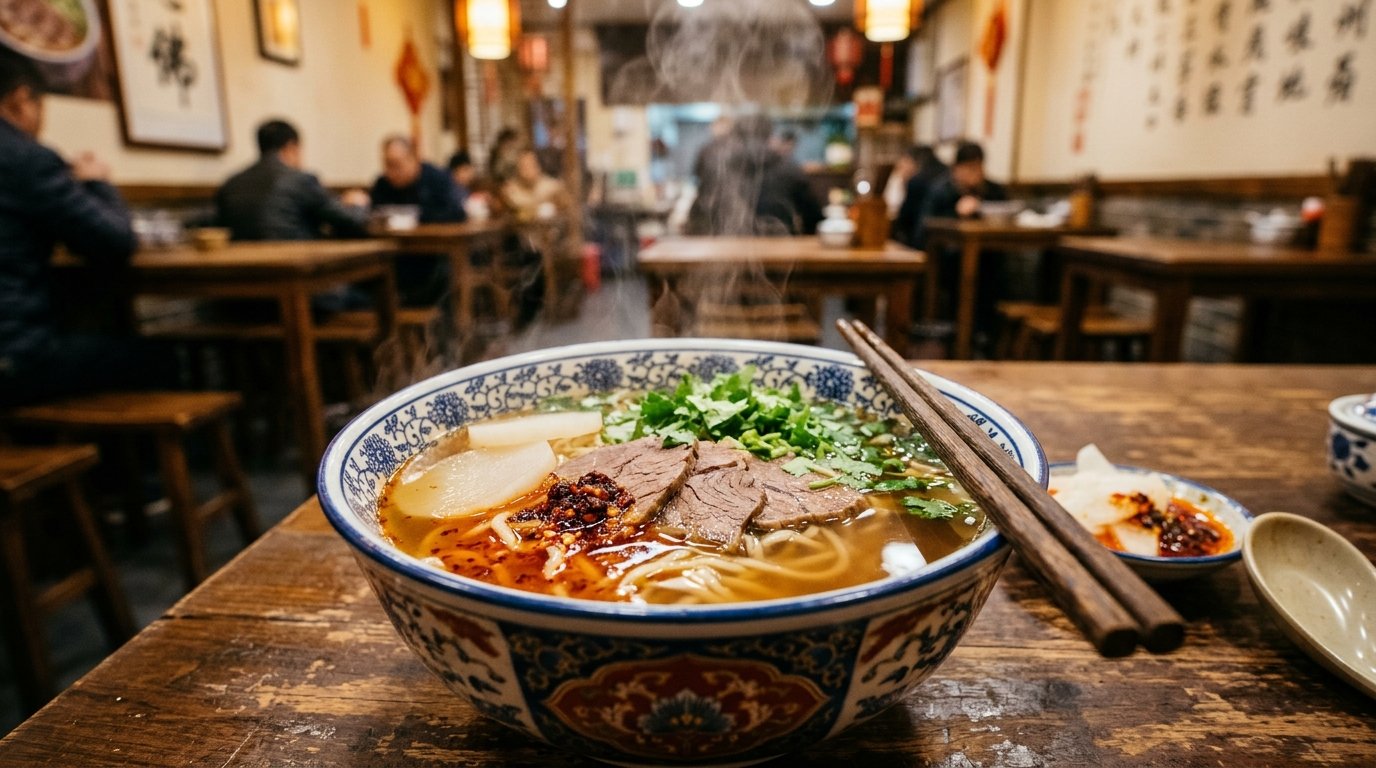
A steaming bowl of hand-pulled beef noodles, a classic halal Chinese comfort food.
What Halal Chinese Food Really Means
Many diners assume Chinese food is either safe or off-limits as a whole. The truth sits in the middle. Chinese cuisine is huge, and pork is only one part of it. Still, pork fat, pork stock and rice wine appear in kitchens all the time, often without being listed on the menu.
The basic halal rules for Chinese cooking
- Meat comes from a halal-slaughtered animal (beef, lamb, chicken, duck).
- No pork, lard, bacon or pork-based stock anywhere in the dish.
- No alcohol-based ingredients, including Shaoxing wine and some cooking sauces.
- Separate utensils, woks and fryer oil, so halal food avoids cross-contact.
A centuries-old tradition: Chinese Islamic cuisine
Halal Chinese food is not a modern trend. Muslim communities have lived in China for over a thousand years. The Hui people, along with Uyghurs and other Muslim groups, built a food culture around lamb, beef, noodles, flatbreads and warming spices. Chinese Muslim cooking is documented in historical and culinary sources, including the overview on Wikipedia’s Chinese Islamic cuisine page.
Search demand backs this up. Ahrefs’ keyword data shows “halal chinese food near me” as the top related query (over 1,000 monthly searches in the U.S.), with city searches like Chicago, Los Angeles and Brooklyn close behind. People clearly want local, practical answers.
Hidden Non-Halal Ingredients to Watch For
Even a vegetable dish can be a problem if the sauce or stock is not checked. These are the usual culprits.
| Ingredient | Where it hides | Halal alternative |
|---|---|---|
| Pork or lard | Fried rice, dumplings, bao, stir-fry oil | Beef, lamb or chicken filling; vegetable oil |
| Shaoxing wine | Marinades, braises, sauces | Stock, rice vinegar, grape juice with ginger |
| Char siu (BBQ pork) | Fried rice, buns, noodles | Halal roast duck or chicken |
| Pork bone broth | Noodle soups, hot pot bases, “vegetable” soups | Beef, chicken or mushroom broth |
| Bacon bits or ham | Fried rice, steamed egg, greens | Omit, or use halal beef bacon |
| Shared wok or fryer | Any stir-fry in a mixed kitchen | Dedicated halal cookware |
Scholars do differ on some small items, such as soy sauce (fermented, naturally containing trace alcohol) and oyster sauce. Diners who follow a stricter view can ask for brands without added alcohol, or consult a trusted local imam.
Best Halal Chinese Dishes to Order
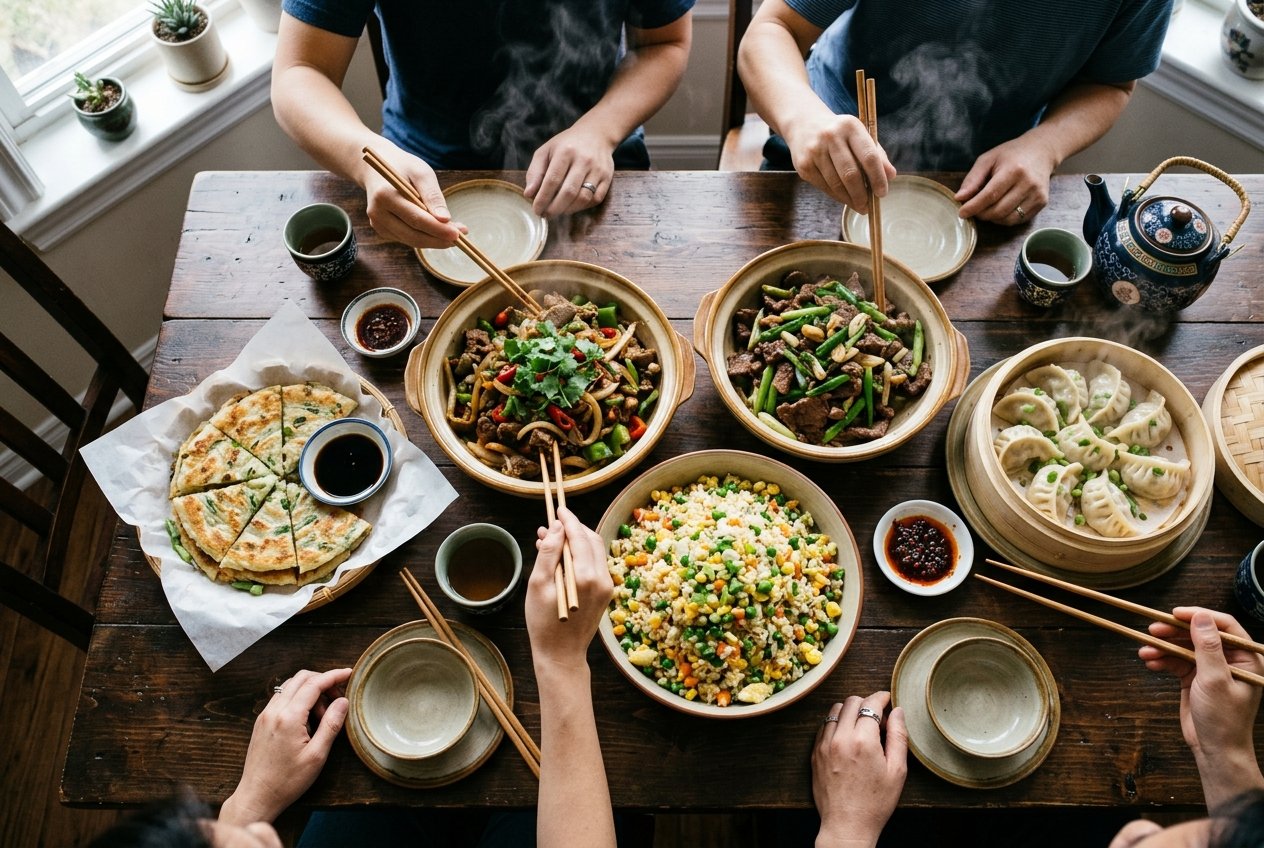
When the kitchen is verified halal, these dishes are crowd-pleasers.
Beef and lamb favorites
- Mongolian beef: sliced beef with scallions in a sweet-savory sauce.
- Cumin lamb: a northwest China classic with chili and toasted cumin.
- Beef chow fun: wide rice noodles with a smoky wok flavor.
- Black pepper beef: quick, peppery and great with rice.
Chicken, seafood and vegetable options
- General Tso’s chicken and orange chicken for Western-style comfort food.
- Salt-and-pepper shrimp and steamed fish with ginger.
- Mapo tofu made with beef instead of pork mince.
- Dry-fried green beans and garlic bok choy, if cooked without pork or wine.
Dumplings, noodles and rice
Lamb or beef dumplings, scallion pancakes, hand-pulled noodles and vegetable fried rice are staples at halal Chinese restaurants. Ask whether the dumpling wrappers and fillings are made in house.
Regional Halal Specialties Worth Seeking Out
Lanzhou beef noodles
This famous bowl features hand-pulled noodles in a clear, fragrant beef broth with radish, chili oil and cilantro. Lanzhou-style shops are often run by Hui families and are traditionally halal.
Xinjiang and Uyghur cuisine
Expect lamb skewers dusted with cumin, laghman (stretched noodles with stir-fried vegetables and meat), polo (pilaf) and large-plate chicken, dapanji. These restaurants use flavors closer to Central Asia than to Cantonese cooking.
Northern Chinese Muslim dishes
Look for yangrou paomo (lamb soup with torn flatbread), sesame flatbreads and lamb hot pot. These are hearty winter meals and very filling.
Halal Cantonese and Sichuan
Some restaurants adapt Cantonese or Sichuan menus to halal standards, which is how diners get halal dim sum, Sichuan dry pots and Americanized Chinese takeout in the same place.
How to Find Halal Chinese Food Near You
- Search with intent. Use phrases like “halal Chinese restaurant near me” or add a city, such as Chicago, Los Angeles, London or Mississauga.
- Read recent reviews. Look for words like “halal certified,” “zabihah” or “Muslim-owned.” Reviews from the last six months are the most reliable.
- Check photos and the door. Halal certificates are often displayed near the counter or on the entrance glass.
- Use halal-specific apps. Directories such as Zabihah and delivery apps with a halal filter can narrow the list fast.
- Call and confirm. A 30-second call can verify meat source, cooking wine and shared equipment.
Halal Chinese food in popular cities
Big metro areas with large Muslim populations, including New York (Brooklyn and Astoria), Chicago, Los Angeles, London, Toronto and Kuala Lumpur, tend to have the widest choice. Smaller cities may rely on one or two trusted restaurants, so reviews and calls matter even more.
Questions to Ask Before You Order
Staff are usually happy to answer. Keep it polite and specific.
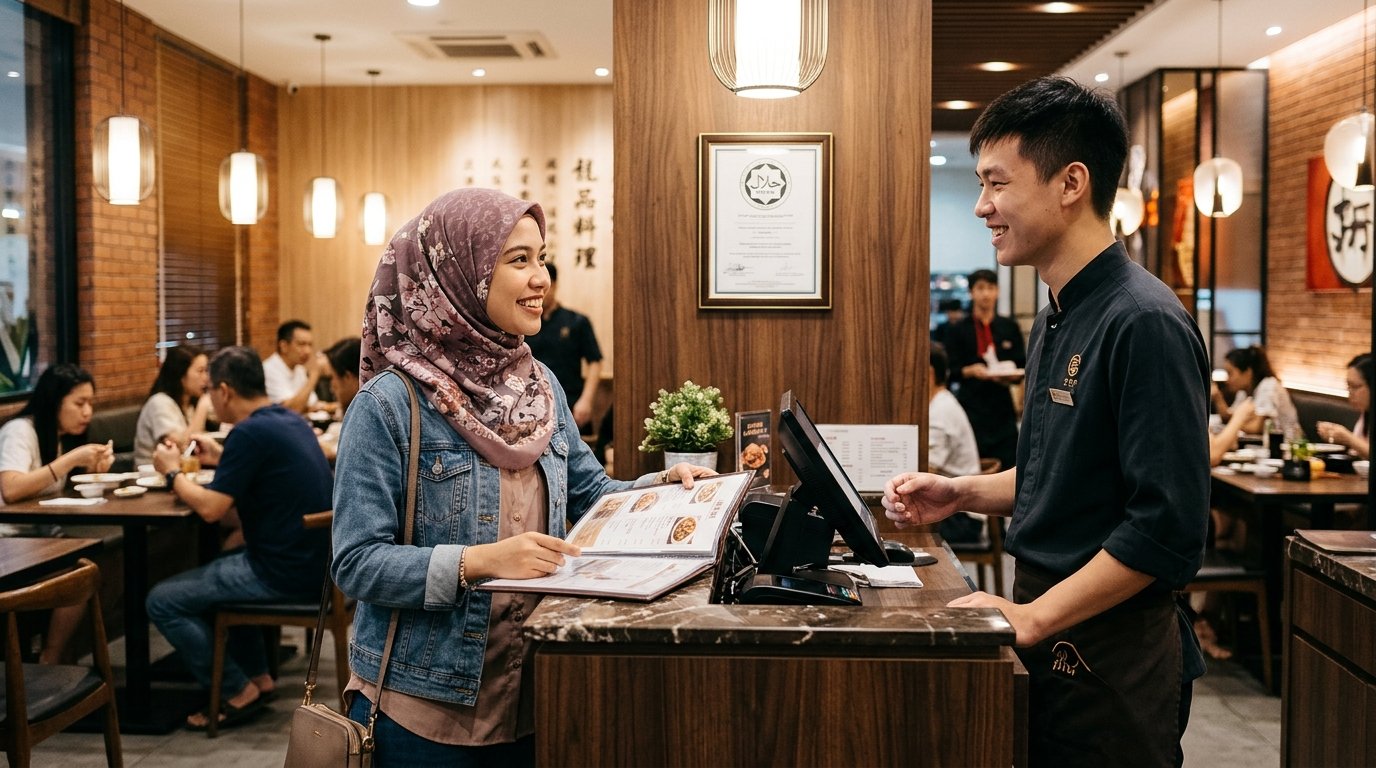
- “Is your meat halal-certified? Who is the supplier?”
- “Do you use pork or lard in any sauce, stock or frying oil?”
- “Do you cook with Shaoxing wine or other alcohol?”
- “Are halal dishes cooked in a separate wok and fryer?”
- “Is the whole restaurant halal, or only some dishes?”
Ordering at a non-halal Chinese restaurant
Muslim diners sometimes face this at work lunches or while traveling. Many choose vegetarian or seafood dishes, but those can still contain pork stock, oyster sauce with additives or wine. Mixed kitchens also share woks and oil. When in doubt, many families treat such a meal as uncertain and choose another place.
Cooking Halal Chinese Food at Home
Cooking at home removes the guesswork, and most recipes convert easily.
- Swap pork for beef or lamb. Use ground beef in dumplings and mapo tofu.
- Replace Shaoxing wine with chicken stock plus a splash of rice vinegar.
- Read sauce labels. Check hoisin, oyster sauce and chili bean paste for alcohol or animal additives.
- Use halal-certified meat from a trusted butcher.
- Stock your pantry: light and dark soy sauce, rice vinegar, white pepper, Sichuan peppercorns, cumin and sesame oil.
Halal Chinese Food FAQ
Is Chinese food halal?
Not by default. Many dishes use pork, lard or Shaoxing wine. Only restaurants that source halal meat and avoid haram ingredients serve truly halal Chinese food.What Chinese dishes are usually halal?
Beef or lamb noodles, cumin lamb, lamb skewers, Mongolian beef and vegetable dishes are common choices, as long as the kitchen is halal and the sauces are checked.How do I find halal Chinese food near me?
Search maps for “halal Chinese restaurant,” filter by recent reviews, look for a halal certificate, and call to confirm the meat source and cooking ingredients.Is soy sauce halal?
It is plant-based and fermented, and many scholars consider it permissible. Some people prefer brands without added alcohol. Follow the guidance of a trusted scholar.Is Chinese cooking wine halal?
No. Shaoxing wine is an alcoholic ingredient. Halal kitchens replace it with stock, vinegar or non-alcoholic alternatives.Next step: Pick one city, search “halal Chinese food near me,” and call two restaurants with the checklist above. A short call is the most reliable halal check.
Conclusion: Enjoy Halal Chinese Food With Confidence
Halal Chinese food is more than pork-free takeout. It is a rich tradition built on lamb, beef, hand-pulled noodles and bold spices. The key is to look past the menu name: verify halal meat, ask about wine and stock, and check for shared equipment. Start with trusted dishes like Lanzhou beef noodles, cumin lamb and Mongolian beef. With a few smart questions, diners can enjoy Chinese flavors at restaurants and at home, with peace of mind.