Food Truck for Sale: How to Buy the Right One (New, Used or Custom)
A practical buyer’s guide covering where to look, what trucks really cost, what to inspect, and the permits and financing to plan for.
Searches for “food truck for sale” top 10,000 a month, and “food truck for sale near me” adds more than 1,000 on its own. That tells a clear story: many aspiring owners want to launch without a restaurant lease, and they want a vehicle they can see in person.
Buying the wrong truck, though, can drain a startup budget fast. This guide walks through the full process: where to shop, what each type costs, how to inspect a truck, and which legal steps come next.
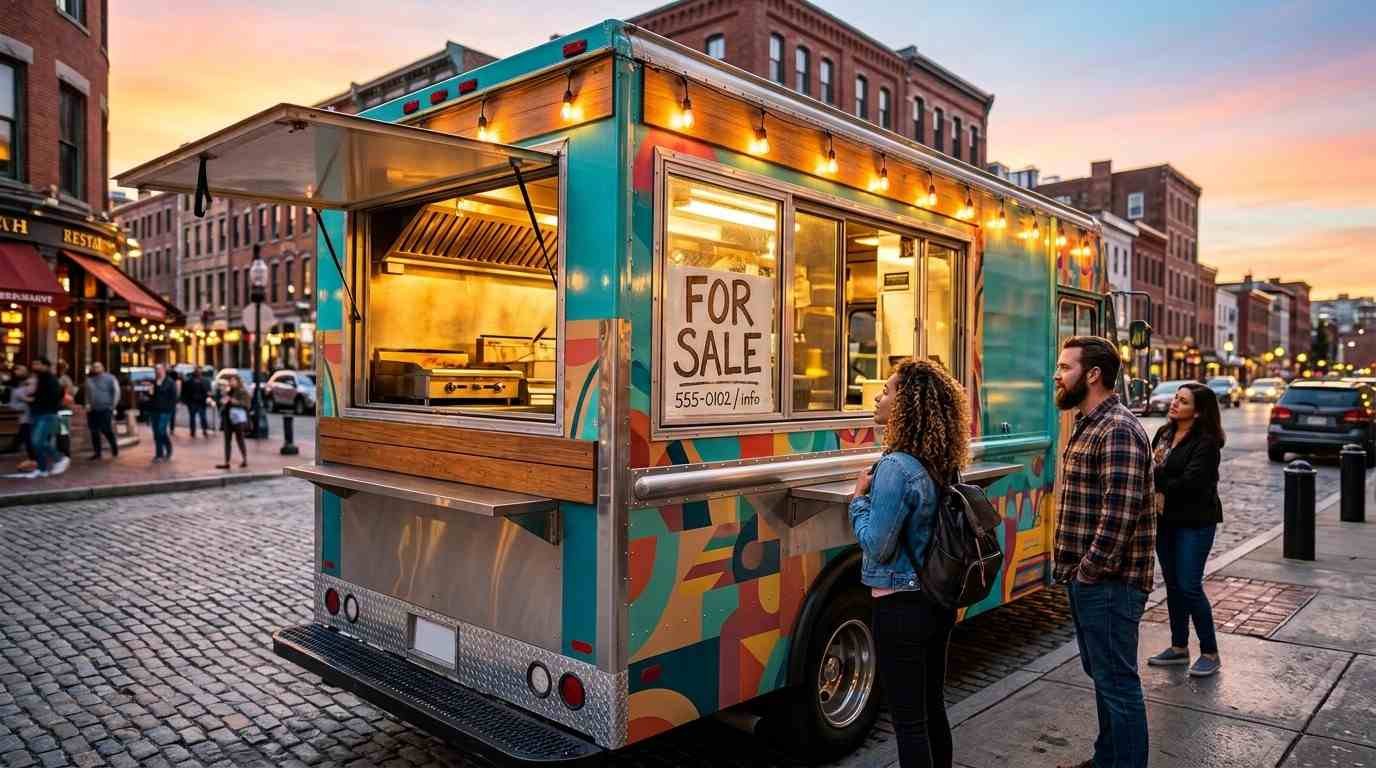
Where to Find Food Trucks for Sale
No single site lists every truck. Smart buyers check several sources and compare.
Online marketplaces and listing sites
Dedicated mobile food marketplaces list used trucks, concession trailers, and carts with photos, mileage, and equipment lists. Many let you filter by state, price, and size, which helps when you search “used food truck for sale near me.”
Custom builders and dealers
Builders sell new trucks and often keep trade-ins or returned vehicles. These come with a clear history, and some offer short warranties on the build.
Facebook groups and local communities
Regional food truck groups post trucks from owners who are retiring or upgrading. Deals can be good, but verify everything, since there is no middleman.
Auctions and classifieds
Equipment auctions and local classifieds can offer low prices. The tradeoff is limited inspection time and no guarantees.
Types of Food Trucks and Trailers for Sale
| Type | Best for | Pros | Watch out for |
|---|---|---|---|
| Full-size truck | High-volume menus | Large kitchen, room for staff | Higher cost, harder to park |
| Small or mini food truck | Solo owners, coffee, snacks | Lower price, easy to drive | Tight workspace |
| Concession trailer | Events and fairs | Cheaper, no engine to maintain | Needs a tow vehicle |
| Shipping container truck | Semi-permanent sites | Strong, stylish, customizable | Not very mobile |
| Custom-built truck | Specific menus and branding | Layout built around your workflow | Long build times, higher cost |
| Cart or kiosk | Hot dogs, drinks, desserts | Lowest entry cost | Limited menu |
Concept-specific trucks
Listings are often labeled by menu: BBQ food truck for sale, pizza food truck for sale, or hot dog food truck for sale. A pizza truck needs a pizza oven and strong ventilation, while a BBQ truck needs a smoker and fire-safe setup. Buying a truck already equipped for your menu can save thousands.
How Much Does a Food Truck Cost?
Prices vary widely by region, age, and equipment. The ranges below are common estimates, not guarantees, so always compare real listings.
| Cost item | Typical range | Notes |
|---|---|---|
| Truck or trailer | $15,000–$200,000+ | Depends on age, size, and build |
| Extra equipment | $2,000–$20,000 | Fryers, grills, refrigeration, POS |
| Wrap and branding | $2,500–$6,000 | Full vinyl wrap |
| Permits and licenses | $500–$2,500 | Varies by city and state |
| Insurance | $2,000–$6,000 per year | Auto plus liability |
| Starting inventory and cash reserve | $3,000–$10,000 | Cover the first slow weeks |
New vs. Used Food Truck: Which Is Better?
Used food truck for sale
- Pros: lower price, faster purchase, proven layout, sometimes includes equipment.
- Cons: wear and tear, hidden repairs, older equipment, possible code updates needed.
New or custom food truck for sale
- Pros: warranty, layout designed for your menu, modern equipment, fewer early breakdowns.
- Cons: higher cost and build times that can run for months.
Beginners on a tight budget often choose a well-kept used truck, then upgrade after the business proves itself. Owners with funding and a defined menu often prefer custom builds.
Food Truck Inspection Checklist
Never buy based on photos alone. If possible, bring a mechanic and someone with kitchen experience.
Vehicle and chassis
- Mileage, engine health, transmission, brakes, and tires
- Rust on the frame, floor, and roof
- Test drive, including highway speed and tight turns
Kitchen and equipment
- Exhaust hood and fire suppression system, with a current inspection tag
- Refrigeration reaching safe temperatures
- Three-compartment sink, handwashing sink, and water heater
- Propane lines, gas leak checks, and generator condition
- Stainless surfaces that are clean and free of damage
Paperwork
- Clean title and matching VIN
- Maintenance and service records
- Previous health inspection reports
- A written bill of sale listing what is included
Ask about the truck’s history
Ask why the owner is selling, how many events it serves per month, and what repairs were done. Honest sellers answer easily.
Permits, Licenses and Legal Basics
Rules differ by state, county, and city, so confirm requirements with your local health department before buying. Common items include:
- Business license and EIN
- Mobile food vendor permit
- Health department inspection and food handler certificates
- Fire safety inspection
- Vehicle registration, commercial insurance, and sales tax permit
- Commissary agreement, where required, for storage, water, and cleaning
Financing a Food Truck
- Equipment financing: the truck itself serves as collateral.
- SBA-backed loans: longer terms, but more paperwork.
- Personal or business loans: flexible, though rates vary with credit.
- Seller financing: some private sellers allow payment plans.
- Savings or partners: no interest, but share the risk.
Lenders often want a business plan, expected revenue, and a menu. A simple, realistic plan improves your chances.
Matching the Truck to Your Food Concept
The best truck depends on the food you will sell. Think about equipment, space, and your customers before you shop.
- Fast, simple menus such as hot dogs, tacos, and coffee suit smaller trucks and carts.
- Grill-heavy menus such as burgers, BBQ, and wings need more ventilation and power.
- Dietary-focused concepts can attract loyal customers. Halal food trucks, kosher-style menus, and vegetarian trucks often need separate prep surfaces and clear ingredient sourcing.
If you plan a faith-based or dietary concept, learn the rules first. These guides explain the basics: Is kosher food halal?, Is halal food kosher?, Is all kosher food halal?, What is kosher food?, Is kosher food healthier?, and Is vegetarian food halal? You can also explore more at Halal Food Near Me.
Buying a Food Truck by Location
Local searches like “food truck for sale Houston,” “Chicago,” “Las Vegas,” “Atlanta,” or “California” are common because rules and prices differ by market.
- Large cities usually have more listings and builders, but also higher prices and stricter rules.
- Mid-sized cities such as Wichita, Kansas may have fewer trucks listed, so check regional and statewide listings, plus neighboring states.
- Climate matters: in cold regions, check insulation and water line protection; in hot regions, check refrigeration and air conditioning.
Buying from another state can open more choices, but plan for transport, title transfer, and local inspection rules in your own city.
Common Mistakes and Negotiation Tips
Mistakes to avoid
- Buying before checking local permit requirements
- Skipping a mechanic’s inspection
- Choosing a truck too big for the menu or too small for the workflow
- Forgetting to budget for repairs and slow months
- Paying a deposit without a written agreement
Negotiation tips
- Use inspection findings to justify a lower price.
- Ask what equipment, branding, and recipes are included.
- Compare at least three similar listings.
- Pay through a traceable method and use a bill of sale.
Food Truck for Sale: Frequently Asked Questions
How much does a food truck for sale cost?
Used trucks commonly range from about $30,000 to $100,000, while new custom trucks often start near $75,000 and can pass $200,000. Trailers, carts, and small trucks cost less.
Is it better to buy a new or used food truck?
A used truck lowers upfront cost but needs a careful inspection. A new truck offers a warranty and a custom layout at a higher price. The right choice depends on budget and menu.
Where can I find a food truck for sale near me?
Check online marketplaces, local builders, Facebook groups, auctions, and regional classifieds. Always inspect the truck in person before paying.
What permits do I need to run a food truck?
Most areas require a business license, mobile food vendor permit, health inspection, fire inspection, and vehicle registration. Confirm details with your local health department.
Can I finance a food truck?
Yes. Common options include equipment financing, SBA loans, personal loans, and seller financing. Lenders usually want a business plan.
Conclusion
Finding the right food truck for sale takes patience. Start by comparing marketplaces, builders, and local groups, then match the truck type to your menu and budget. Used trucks can save money, and custom builds can improve workflow, so weigh both.
Before you pay, inspect the vehicle and kitchen, verify the title and records, check local permits, and plan your financing. With careful research, the right truck becomes the foundation of a business that can grow from your first event to a loyal local following.