Filipino Food Near Me: How to Find the Best Local Spots
Adobo, sinigang, lumpia and halo-halo are closer than most people think. This guide shows how to find real Filipino cooking in your area, what to order, and how to check for halal, vegan and gluten-free options.
Why “Filipino Food Near Me” Is Such a Popular Search
Filipino food has moved from family kitchens to mainstream menus. According to Ahrefs keyword data, “Filipino food near me” gets more than 10,000 searches a month, and the keyword is rated easy to compete for. That tells a simple story: plenty of people want it, and not everyone knows where to look.
The reason is partly geography. The Philippines has over 7,000 islands, and its cooking blends Malay, Chinese, Spanish and American influences. The result is food that is sour, salty, sweet and savory in one plate. Once people taste it, they tend to come back.
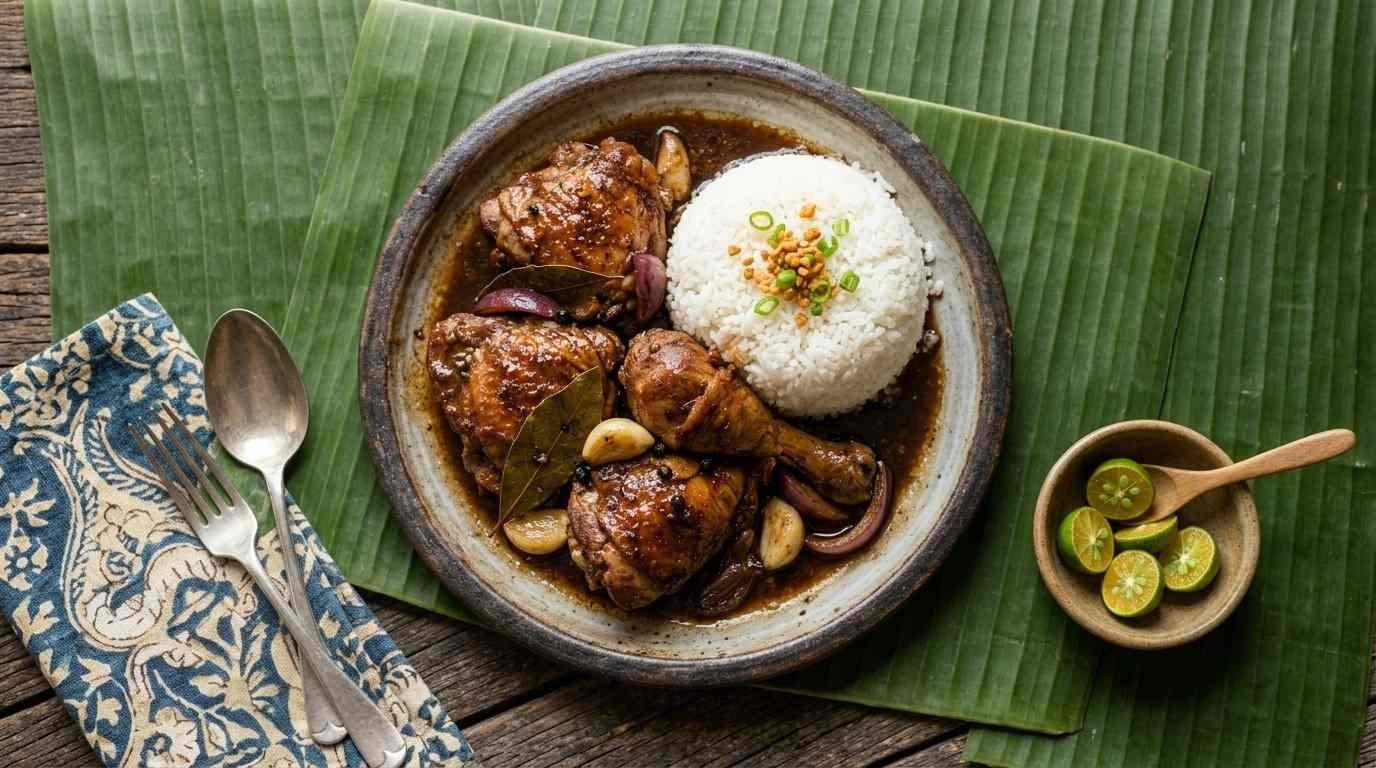
To find Filipino food near you, search Google Maps for “Filipino restaurant,” filter by “Open now,” read recent reviews for dishes like adobo and sinigang, and check Facebook or Instagram, where small Filipino kitchens often post daily menus.
How to Find Filipino Food Near You
Start with the Big Map Tools
Google Maps, Yelp and TripAdvisor are the fastest starting points. Search “Filipino restaurant” instead of the broader phrase, then sort by rating and recency. A place with a few recent, detailed reviews often beats one with hundreds of old ones.
Check Social Media and Community Groups
Many Filipino cooks run small operations that barely appear in search. Local Facebook groups, Reddit city threads and Instagram pages are where they announce pop-ups, preorders and weekly menus. A question like “Any Filipino restaurants or food trucks around here?” usually gets honest answers within hours.
Look Beyond Restaurants
- Filipino grocery stores: often have a hot counter with pancit, lumpia and roast pork.
- Bakeries: pandesal, ensaymada and ube pastries.
- Asian supermarkets: frozen lumpia, sauces and snacks for home cooking.
- Farmers’ markets and festivals: a common home for Filipino food stalls.
Use two searches: “Filipino restaurant [your city]” and “Filipino food truck [your city].” Food trucks rarely show up in the first query.
How to Tell If a Filipino Restaurant Is Authentic
“Authentic” is subjective, but a few signs help. Look for these before you commit.
- The menu names dishes in Tagalog with English descriptions.
- Filipino customers appear in the reviews, with comments like “tastes like my lola’s.”
- Rice is served with most mains, and condiments like vinegar, calamansi or soy are offered on the side.
- Desserts include halo-halo, leche flan or bibingka.
Red flags
A huge menu that mixes five cuisines, or photos that show only generic fried food, can mean the kitchen is not specialized. A short menu is usually better. A small team cooking a handful of dishes well is a good sign.
What to Order: A Beginner’s Guide to Filipino Dishes
New to the cuisine? This table covers the dishes most Filipino menus are built around.
| Dish | What it is | Taste | Good for |
|---|---|---|---|
| Chicken or pork adobo | Braised in vinegar, soy sauce, garlic and bay leaf | Savory, tangy | First-timers |
| Sinigang | Sour tamarind soup with meat or shrimp and vegetables | Sour, brothy | Cold days |
| Pancit | Stir-fried noodles with vegetables and meat | Light, savory | Sharing |
| Lumpia | Crispy fried spring rolls | Crunchy, mild | Starters, kids |
| Lechon kawali | Deep-fried crispy pork belly | Rich, crunchy | Special meals |
| Kare-kare | Oxtail stew in peanut sauce | Nutty, mellow | Adventurous eaters |
| Halo-halo | Shaved ice with sweet beans, fruit, leche flan and ube ice cream | Sweet, cold | Dessert |
For two people, try one adobo, one pancit, an order of lumpia and a halo-halo to share. Add steamed rice. It is a balanced mix of tangy, savory and sweet.
Halal, Vegan, Vegetarian and Gluten-Free Filipino Food
Searches like “halal Filipino food near me” and “vegan Filipino food near me” are common for a reason: pork, shrimp paste and soy sauce appear in many classic recipes. Here is how to handle each need.
Halal Filipino Food
Filipino food is not halal by default. Many dishes use pork, and some use lard or alcohol-based ingredients. The southern Philippines has a long Muslim culinary tradition, so beef, chicken and seafood dishes are easy to adapt. Ask whether the meat is certified halal and whether pork is cooked in the same kitchen. For more background on how halal rules compare with other food laws, see is vegetarian food halal, is halal food kosher and what is kosher food.
Vegan and Vegetarian Options
Good bets include pinakbet (vegetable stew), ginataang gulay (vegetables in coconut milk), tortang talong (eggplant omelet, so vegetarian but not vegan) and fresh lumpia. Always ask about fish sauce (patis) and shrimp paste (bagoong), which are widely used for flavor.
Gluten-Free Choices
Rice is central to Filipino meals, which helps. Soy sauce, noodles and wrappers contain gluten, so ask about adobo, pancit and lumpia specifically.
| Need | Safer picks | Ask about |
|---|---|---|
| Halal | Beef or chicken dishes, seafood, vegetable stews | Certified meat, pork cross-contact, lard |
| Vegan | Ginataang gulay, steamed rice, fresh vegetable dishes | Fish sauce, shrimp paste, meat broth |
| Gluten-free | Grilled meats, rice, many soups | Soy sauce, noodles, wrappers |
Curious how these rules overlap? Our guides on whether kosher food is halal, whether all kosher food is halal and whether kosher food is healthier help when you are choosing between similar cuisines.
Filipino Food Open Now, Delivery and Takeout
Searches such as “Filipino food near me open now” and “Filipino food near me delivery” show that many people decide fast and eat soon. A few habits save time.
- Use the “Open now” filter, then confirm on the restaurant’s social page.
- Call for small kitchens. Some close between lunch and dinner or sell out early.
- Order fried items like lumpia for takeout. They travel better than soups.
- Ask whether sauces come separate to keep rice and crispy skin from getting soggy.
Where to buy Filipino food to cook at home
If you want ingredients rather than a meal, search “Filipino grocery near me.” Stock up on vinegar, calamansi juice, tamarind soup mix, rice noodles and frozen lumpia.
Small Kitchens, Food Trucks and Local Gems
Some of the best Filipino cooking comes from small, family-run operations. A Wichita, Kansas example is Kusina ni Cheska, which local food coverage has described as a small Filipino kitchen, and its social posts show a deliberately simple menu. The lesson applies anywhere: smaller menus, preorders and limited hours often point to food cooked with care. Confirm current hours and menu before you go.
Leave a specific review, such as “the pancit was fresh and the adobo had real depth.” Detailed reviews help new Filipino restaurants get found.
Frequently Asked Questions
What is the most popular Filipino dish to try first?
Chicken adobo. It is savory, a little tangy and easy to like, and it comes with rice.
Is Filipino food healthy?
It can be. Broth-based dishes like sinigang and tinola are vegetable-rich. Fried dishes and sweet desserts are richer, so balance them with soup, vegetables and smaller portions.
Is Filipino food halal?
Not automatically. Pork is common, so ask about pork, lard and certified halal meat before ordering.
Can I find vegetarian Filipino food?
Yes. Try pinakbet, ginataang gulay and fresh lumpia, and ask for no fish sauce or shrimp paste.
How do I find Filipino food open now?
Filter Google Maps by “Open now,” then check the restaurant’s Facebook or Instagram page, since small kitchens change hours often.
Conclusion
Finding Filipino food near you takes a little detective work, but the payoff is worth it. Search for Filipino restaurants and food trucks, read recent reviews, check social pages for current menus and ask about dietary needs before you order. Start with adobo, pancit and lumpia, and finish with halo-halo.
For more dietary guides, visit the Halal Food Near Me homepage.